People
People List
-
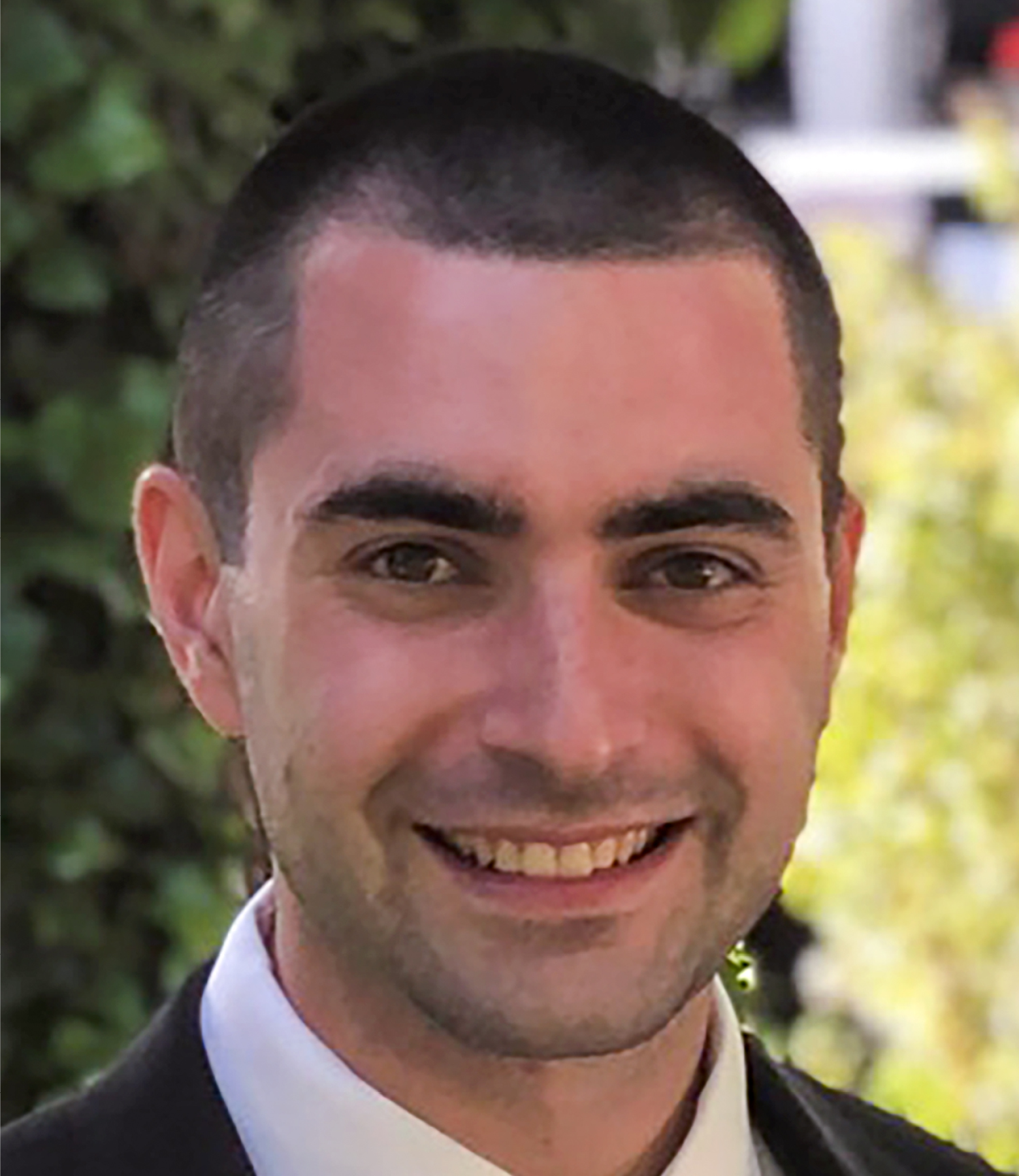 Gregory Peters, MD
Inaugural Fellow in Emergency Medical Services Research, Health Policy, and Translation
Mass General Brigham
Gregory Peters, MD, earned his MD at Harvard Medical School and subsequently completed residency at the Harvard Affiliated Emergency Medicine Residency program at Mass General Brigham in Boston, MA. He is now the inaugural fellow in emergency medical services research, health policy, and translation at Mass General Brigham while earning his MPH at the Harvard T.H. Chan School of Public Health.
Dr. Peters has drawn on his prior background as a firefighter and emergency medical technician in the Bronx, NY, to find inspiration for multiple lines of research in the prehospital phase of emergency care, with a focus on respiratory emergencies such as asthma exacerbations.
-
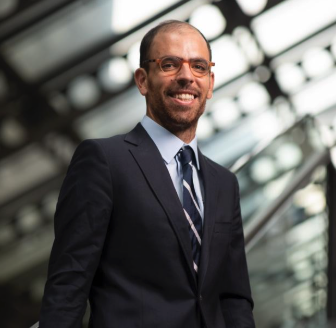 Hashem Zikry, MD, MS
Emergency Medicine Physician
UCLA
Hashem Zikry, MD, MS, is an emergency medicine (EM) physician and a scholar in the National Clinician Scholars Program at UCLA. Prior to fellowship, he was Chief Resident at Mount Sinai hospital in New York City. His work has been published in various academic and lay outlets, including JAMA, Health Affairs, Annals of Emergency Medicine, and The Washington Post. His research interests revolve around incorporating acute unscheduled care into health systems' population health and value-based care strategies, with a particular focus on novel and innovative disposition options such as virtual observation and hospital-at-home.
-
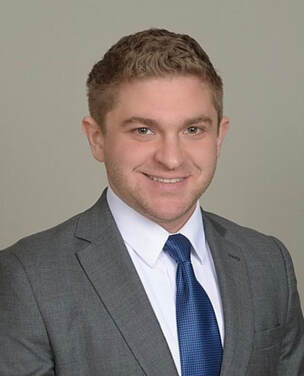 Joshua Feblowitz, MD, MS
Associate Medical Director
Frederick Health Hospital
Joshua Feblowitz, MD, MS, is the Associate Medical Director and Vice Chair of Emergency Medicine with Sound Physicians at Frederick Health Hospital in Frederick, Maryland. He completed his residency training at Brigham & Women's Hospital and Massachusetts General Hospital in Boston (BWH/MGH Harvard-Affiliated Emergency Medicine Residency (HAEMR) Program). He is also Director of Content for the virtual simulation platform Full Code Medical. His writing has been published in the NYU Physician, Living Without, and multiple Children’s Hospital Boston publications (Dream, Vector, Pediatric Views, Thriving). His research in healthcare IT and clinical decision support has appeared in the New England Journal of Medicine, Journal of the American Medical Informatics Association, Applied Clinical Informatics, Annals of Emergency Medicine and others. He graduated from Harvard in 2009 with a degree in American History & Literature and completed MIT’s Graduate Program in Science Writing in 2010. He received his MD from Harvard Medical School in 2015. He grew up in Winchester, MA and now lives in Frederick, MD with his wife, Kasia, daughter, Maia, and rescue dog, Lucy.
-
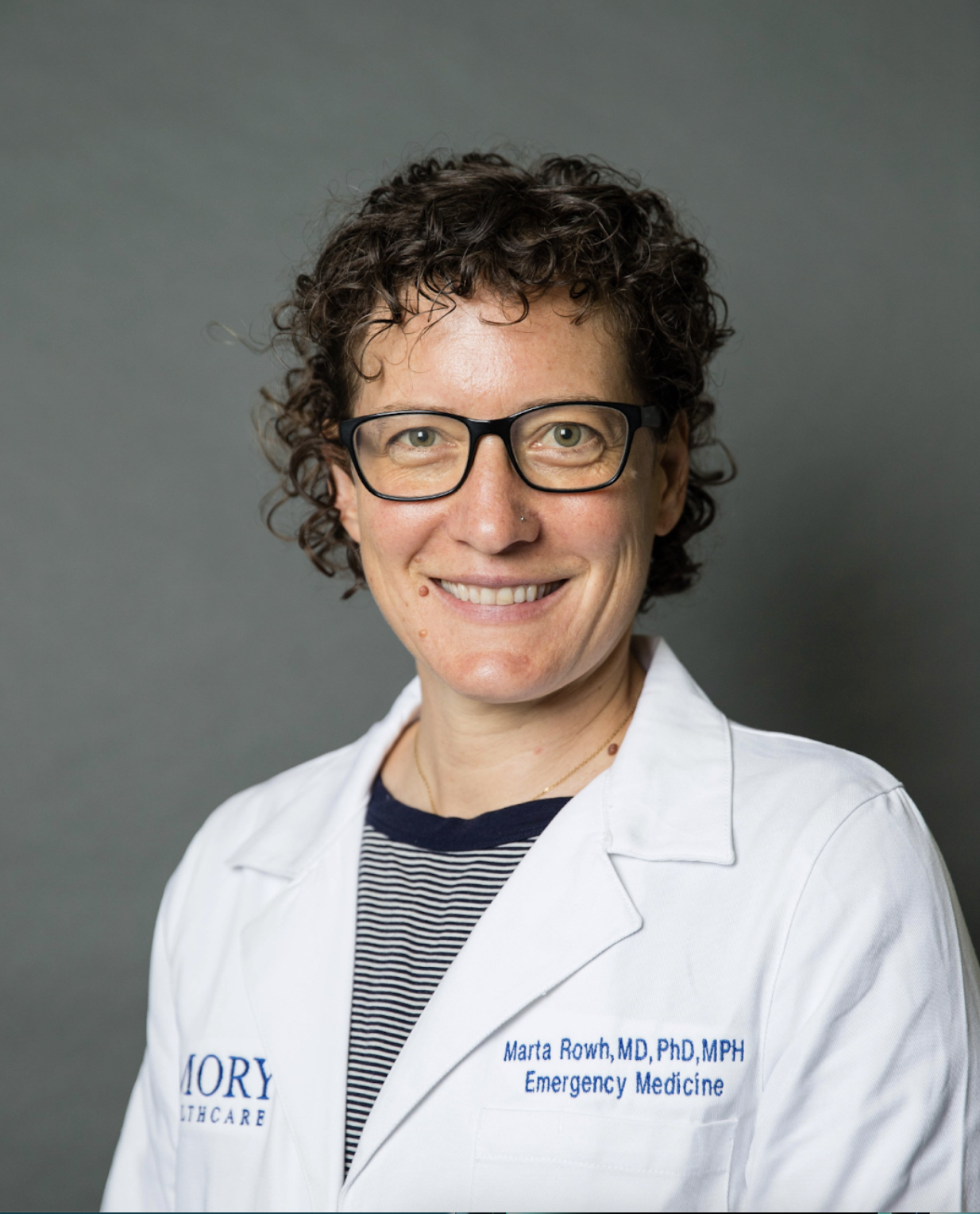 Marta Rowh, MD, PhD
Assistant Professor, Emergency Medicine
Emory University
Marta Rowh, MD, PhD, is an assistant professor of emergency medicine (EM) at Emory University and a leading researcher on artificial intelligence (AI) applications in medical education. Her research utilizes Natural Language Processing (NLP) algorithms to analyze how medical education materials represent social demographics and incorporate diverse patient populations in case-based learning. As the 2025 recipient of the SAEM Education grant, she is leading an initiative to apply AI-driven analysis to large volumes of curricular content, identifying demographic underrepresentation that may reinforce health inequities. This research seeks to provide educators with scalable tools to systematically assess and revise curricula to promote more equitable demographic representation.
-
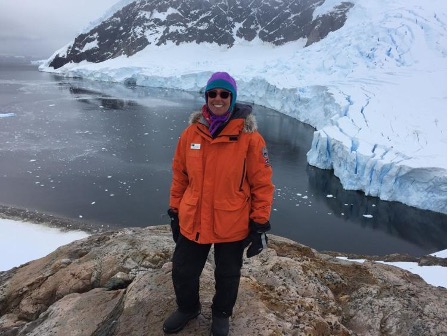 Rita Cydulka, MD, MS
Rita Cydulka, MD, MS, retired from the full-time practice of emergency medicine (EM) at Metrohealth Medical Center in 2014. At the time of her retirement, she was a tenured professor and vice chair of the Department of EM and an associate professor in the Department of Epidemiology and Biostatistics at Case Western Reserve University Medical School in Cleveland. She served on the SAEM Board of Directors from 1997-2000, the ABEM Board of Directors from 2002-2010, and as President of the ABEM Board from 2007-2008. In 2008, Dr. Cydulka was honored with the SAEM Advancement of Women in Academic EM Award.
She is the author or co-author of numerous articles, abstracts, and book chapters, as well as an editor of Tintinalli's EM: A Study Guide, 7th Edition. In her retirement, she enjoys time with her family, travels, hikes, reads, works a few shifts in the ED, and serves as a ship director on Lindbald-National Geographic Ships, which are small expedition ships that travel all around the world.
-
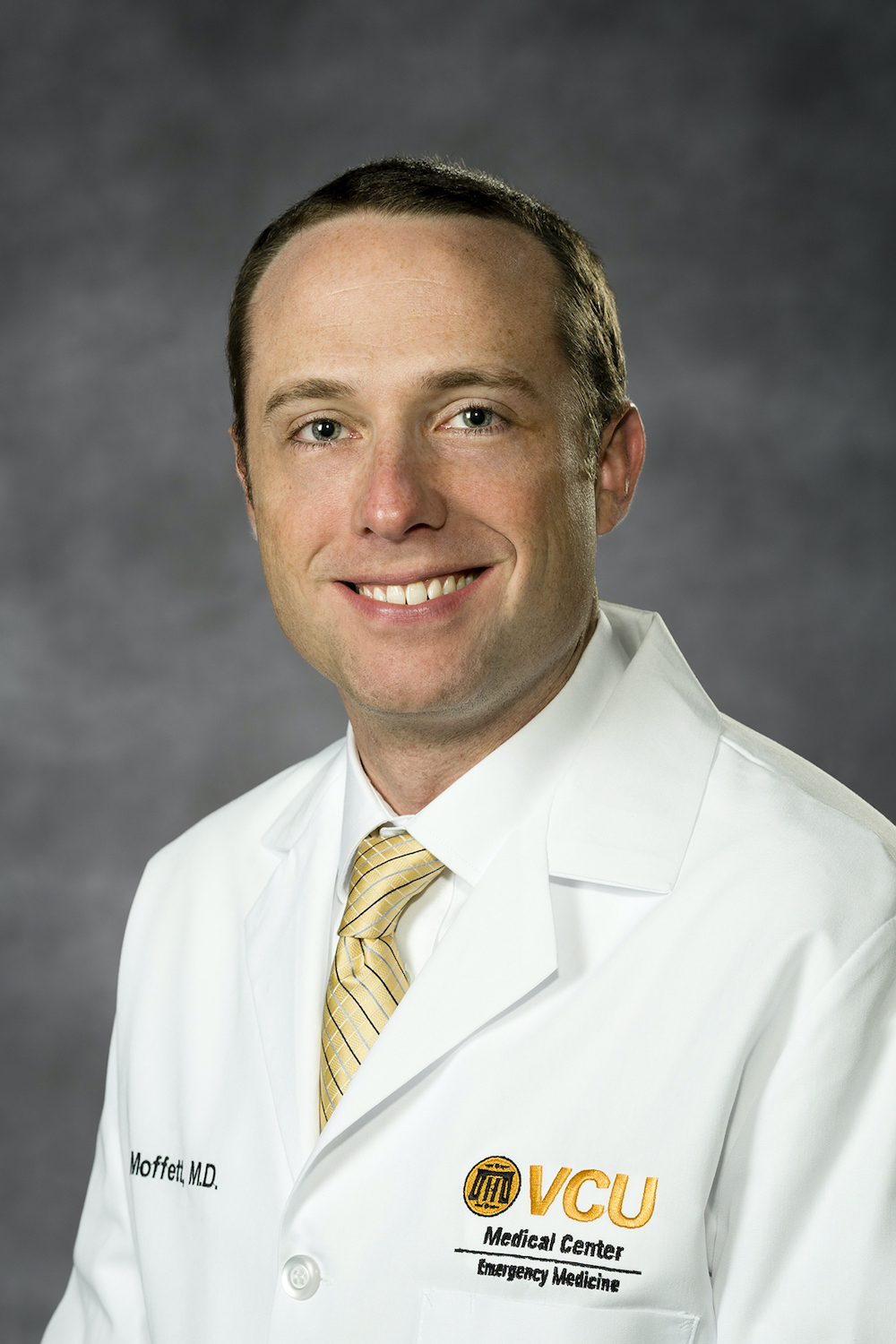 Peter Moffett, MD
Program Director
Virginia Commonwealth University
Peter Moffett, MD, attended the University of Delaware for undergraduate studies before attending Jefferson Medical College for his medical degree. He participated in the Health Professions Scholarship Program, leading to a commission in the United States Army, and completed his residency in emergency medicine (EM) at Madigan Army Medical Center, Fort Lewis, Washington. After graduating from residency, Dr. Moffett was deplyed to Iraq in support of Operation Iraqi Freedom and Operation New Dawn, where he earned a Meritorious Service Medal. Upon his return, he was stationed at Fort Hood Texas, where he served as the Director of Research for the Department of EM. After serving for seven years in the US Medical Corps, Dr. Moffett honorably separated at the rank of Major and came to Virginia Commonwealth University to start his civilian medical career. He currently serves as the Program Director and is appointed as an associate professor of EM. He serves as a senior reviewer for Annals of Emergency Medicine and has published numerous articles in a variety of EM topics. His interests include evidence-based medicine, teaching research skills and fundamentals, as well as any well-designed project that lets him use his biostatistic program for dummies.
-
Kirsten Morrissey, MD
Associate Professor, Pediatric Emergency Medicine
Albany Medical College
Kirsten Morrissey, MD, focuses in the area of pediatric emergency medicine (EM) at the Massry Family Children's Emergency Center. She completed her medical education at Thomas Jefferson University Hospital in Philadelphia. Dr. Morrissey is the Medical Director for the Sexual Assault Forensic Examiner Program, which provides support, examination, and treatment to patients in suspected cases of abuse and assault. At Albany Medical College, she is an Associate Professor of Pediatric EM and the Clerkship Director of Pediatric EM.
-
 Bryan Baskin, DO
Vice Chair of Safety, Quality, and Patient Experience
Cleveland Clinic Department of Emergency Medicine
Bryan Baskin, DO, is the Vice Chair for Safety, Quality, and Patient Experience (SQPE) and Co-Director of Operations of the Cleveland Clinic’s Department of Emergency Medicine. In this role, he oversees quality, patient safety, patient experience, and operations across all Emergency Departments within the Cleveland Clinic Health System. He is also a member of the Cleveland Clinic Corporate Compliance Committee as well as the Cleveland Clinic Risk Management Group. Dr. Baskin has a strong interest in patient safety, quality improvement, operational management, patient outcomes, compliance, medical finance, peer review, and quality assurance. In addition to his leadership roles, Dr. Baskin serves as faculty at Case Western Reserve University’s School of Medicine, focusing on teaching quality, patient safety, and process improvement. He is also faculty for the Cleveland Clinic Foundation’s “To Act As A Unit” Course. Before joining The Cleveland Clinic in 2018, he served as the Associate Operations Director for Emergency Medicine at The Metro Health Medical System in Cleveland Ohio. Dr. Baskin has authored multiple chapters in Emergency Medicine textbooks and papers on risk management, quality, safety, and process improvement. He is a regular contributor to EM Legal Letter. Clinically, Dr. Baskin sees patients in both the General and Pediatric Cleveland Clinic Emergency Departments. He holds the academic rank of Assistant Professor of Emergency Medicine at the Cleveland Clinic Lerner College of Medicine and Case Western Reserve University. He is an active member and fellow of the American College of Emergency Physicians (ACEP).
-
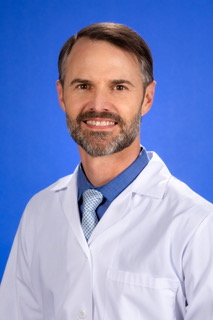 David Barnes, MD
Health Sciences Clinical Professor, Emergency Medicine
UC Davis School of Medicine
David Barnes, MD, is a Health Sciences Clinical Professor of Emergency Medicine at UC Davis School of Medicine and UC Davis Health in Sacramento, CA. He was the Emergency Medicine residency Program Director for 12 years, and now serves as Director of Faculty Development, Alumni Relations, and Sustainability for the Department of Emergency Medicine. He is a member of the Department’s clinical operations team, serves as a Physician Advisor for UC Davis Medical Center, and is a consulting editor for the Agency for Healthcare Research and Quality’s Patient Safety Network.
-
Andrew King, MD
Associate Professor, Emergency Medicine
Wayne State University School of Medicine
Andrew King, MD, is an Associate Professor at Wayne State University School of Medicine and the Medical Director of the Michigan Poison and Drug Information Center, the Fellowship Director of the Detroit Medical Center/WSU Medical Toxicology Fellowship and the Medical Director of the Tolan Park Research Center Opioid Treatment Program and lead of the inpatient Addiction Medicine Service at the Detroit Medical Center.
-
 Charles B. Cairns, MD
Walter H. and Leonore Annenberg Dean; Senior Vice President, Medical Affairs
Drexel University
Charles B. Cairns, MD, is the Walter H. and Leonore Annenberg dean of the College of Medicine and senior vice president for medical affairs at Drexel University. A leader in emergency medicine and critical care education, training, and research, he previously served as dean of the College of Medicine and Health Sciences at the United Arab Emirates University and dean of the College of Medicine and assistant vice president for clinical research at the University of Arizona. He has also been chair of the Department of Emergency Medicine at the University of North Carolina, associate chief of emergency medicine at Duke University, and director of emergency medicine research at the Duke Clinical Research Institute, the world’s largest academic research organization.
Dr. Cairns has served as director of the National Institutes of Health United States Critical Illness and Injury Trials Group and as principal investigator of the Department of Homeland Security National Collaborative for Biopreparedness. He has led COVID-19 research and innovation efforts to understand the acute and longitudinal immune response to severe SARS-CoV-2 infection, including as clinical lead for the National Institute of Allergy and Infectious Diseases COVID-19 Immunophenotyping (IMPACC) study, a member of the Data and Safety Monitoring Board for the National Heart, Lung, and Blood Institute convalescent plasma study, and principal investigator of the Bill & Melinda Gates Foundation project on predicting COVID-19 community infection and recovery.
An honors graduate of Dartmouth College, Dr. Cairns earned his medical degree from the University of North Carolina and completed his residency in emergency medicine and fellowship in cardiovascular research at the Harbor-UCLA Medical Center.
-
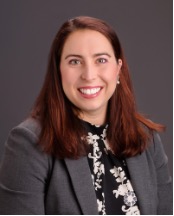 Margaret Goodrich, MD
Assistant Professor, Emergency Medicine
University of Missouri-Columbia
Margaret Goodrich, MD, completed her medical training at the Texas Tech University Health Sciences Center School of Medicine, then completed her residency training in emergency medicine (EM) and medical education fellowship at UMMS-Baystate Medical Center. After fellowship, she joined the University of Missouri-Columbia as an assistant professor in EM and currently serves as associate director for the medical education and simulation fellowship, associate program director for the EM residency, and the director of resident curriculum.
-
 Priyanka Vakkalanka, PhD
Assistant Professor
University of Iowa
Priyanka Vakkalanka, PhD, is an assistant professor and research analysis team lead within the department of emergency medicine at the University of Iowa. She also holds an adjunct faculty appointment in the department of epidemiology at the University of Iowa College of Public Health. Dr. Vakkalanka is trained as an epidemiologist and has over 15 years of experience with study design, data management, and quantitative data analysis.
-
 Judah Kreinbrook
Medical Student
Duke University
Judah Kreinbrook is currently a third-year medical student and MHSc in clinical research at Duke University with a clinical interest in emergency medicine (EM), cardiology, and critical care. His Master's thesis is focused on prehospital care delivery and the impact of transportation decisions on out-of-hospital cardiac arrest outcomes. Often described by colleagues as an "open-science evangelist," he has a long-term goal of enhancing the reproducibility and relevance of clinical research to practice by first focusing on open, transparent, and rigorous clinical research methodology.
-
 Ryan Tsuchida, MD
President-Elect
University of Wisconsin
My name is Dr. Ryan Tsuchida (he/him) and I am grateful for the privilege to run for the position of President-Elect for ADIEM. I am committed to advancing academic emergency medicine and ensuring its future is more diverse, equitable, and inclusive. These core values are reflected in the work of ADIEM and, as President-Elect, I will work collaboratively with our growing talent of ADIEM members to advance our organization’s mission. This work is not new to me as I bring substantial experience having previously served as the inaugural Chair of SAEM’s Equity and Inclusion – Data and Metrics Subcommittee, as ADIEM’s Membership Committee Chair, and most recently, as ADIEM’s Secretary-Treasurer.
I understand the relevant problems, practical solutions, and common barriers to DEI work. I serve as the Assistant Dean of Multicultural Affairs for Health Professions Learners at the University of Wisconsin, School of Medicine and Public Health which has provided me with a broad perspective and relevant experience in organizational DEI leadership. I have experience in pathway program development, recruitment and retention strategies, organizational strategic planning, and health equity curriculum development. I have developed a reputation amongst my peers as a reliable, compassionate, and effective leader. As President-Elect for ADIEM, I will use these experiences to advocate for impactful and authentic change. I am grounded by the tenets of cultural humility which promote life-long learning, mitigating power imbalances, and promoting institutional accountability. It would be an honor to serve as your President-Elect for ADIEM. -
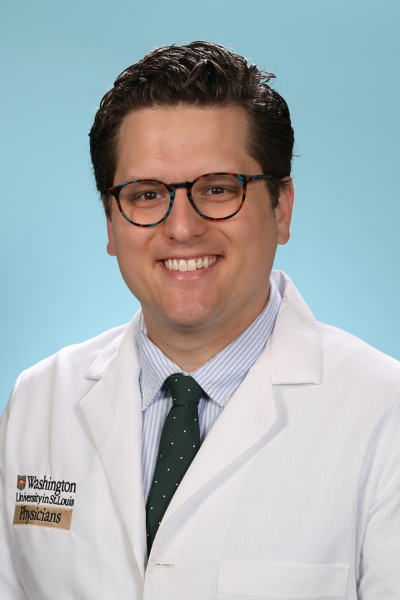 Alexander Croft, MD
Vice President of Research/Scholarship
Washington University in St. Louis School of Medicine
My name is Alex Croft, I’m the director of simulation at Washington University in St. Louis. I’m running for the vice president of research and scholarship for the Simulation Academy. I love simulation, research, and building teams that drive innovation and collaboration. At WashU, I direct programs in the School of Medicine, the Department of Emergency Medicine, and the Barnes Jewish Christian Healthcare System. For these efforts, I’ve received multiple grants to build infrastructure and systems that focus on translational simulation-based research.
My goal is to use these skills I’ve gained to build upon the fantastic tradition of collaboration within the Simulation Academy. This year, I’ve had the privilege of working with the current VP of research and scholarship—Stephanie Stapleton—to implement the Just-In-Time funding awards for the Simulation Academy. I see the mission of research/scholarship not only as a way to advance simulation science, but a way to build and foster skills for career long success. Thanks for your consideration, I hope to build with y’all! -
 Sarah Rose Rabinowitz, MD
Fellow
Zucker School of Medicine at Hofstra-Northwell
Hello, I’m Sarah Rabinowitz, and I would love to serve you as fellow for the Simulation Academy executive committee. One of my passions in life is education. Prior to medical school, I have held multiple leadership positions in pursuit of this passion; I have worked as a private tutor, college teaching assistant, substitute teacher, volunteer in art therapy, and held leadership positions in student organizations. In medical school at the Charles E. Schmidt College of Medicine at Florida Atlantic University, I continued my involvement in education by becoming a student leader in the clinical ultrasound course, multiple student interest groups, and served as a mentor for junior medical students and pre-medical students. I joined SAEM as a medical student when I chose to pursue a career in emergency medicine. During residency at the Zucker Northwell Health, I have continued to serve as an educator, mentor and promoted recruitment to our program. I decided to pursue a fellowship in Simulation because of my passion for being an educator and belief that experiential learning provides the highest quality education with the added benefit of being highly enjoyable and promoting teamwork and collaboration.
I am running for the fellow position on the executive committee because I want to strengthen the academic simulation community and grow in my leadership within the simulation profession. I hope to improve mentorship, networking opportunities between alumni and current residents/fellows, and involvement in the academy. I want to promote more learning opportunities and distribution of educational content. I feel that the executive committee and academy can better serve its members in promoting simulation programs across the country, marketing learning opportunities including Terrific Tuesday meetings and improving overall outreach and engagement. We have a lot of great resources and content on the SAEM Simulation Academy website and promoting access to these resources can increase involvement among members. I propose that one way we can do this is through advancing our utilization of social media and our professional network. I want to continue to arrange professional development events and webinars and host networking events during conferences and over Zoom. Overall, if elected, I aim to use my position to strengthen the simulation community and encourage growth for the academy and its members. -
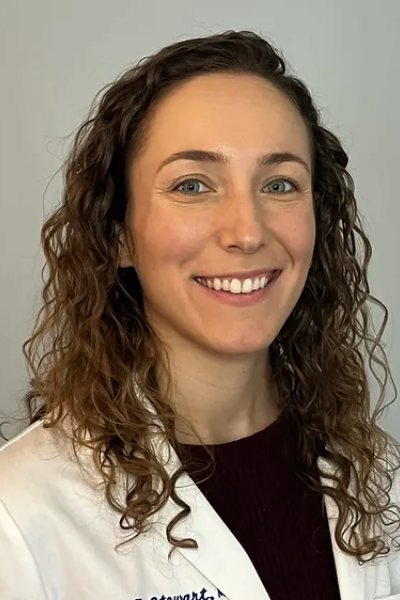 Katherine Stewart, MD
Fellow
Warren Alpert Medical School of Brown University
I am the current simulation fellow at Brown Emergency Medicine in Providence, RI and a fellow in the Masters of Education in the health professions program through Johns Hopkin’s University. Whether engaging with large, multidisciplinary teams or small groups of medical students, I have always found it very rewarding to create opportunities for learning and reflection through simulation and have continually sought involvement in medical education, research design, and quality improvement during my residency and fellowship. My current research is focused on formalized de-escalation training for residents and front desk staff at our hospitals as well as mixed methods program evaluation for our physician peer support program. I feel my background in medical education, research, and peer mentorship will allow me to cultivate stronger connections and collaboration between students, residents, and early career physicians invested in simulation across the nation. I hope to further connect simulation fellows in similar regions either virtually or in-person to connect, share ideas, and collaborate, as well as invest in mentorship and research partnerships for young physicians in simulation nationally.
-
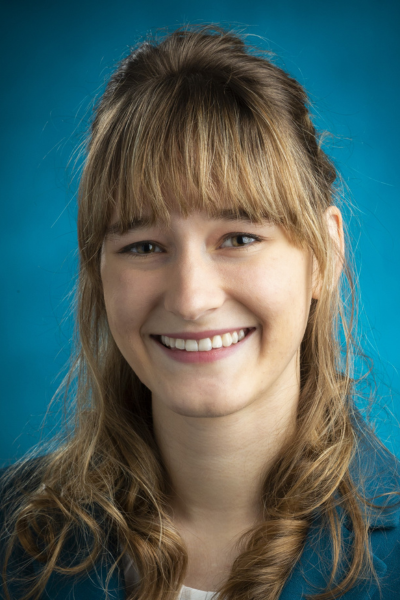 Haley Plattner, MD
Fellow
Rush University
I am currently a chief resident and the incoming simulation fellow at Rush University Medical Center. I have been drawn to Simulation as an effective tool for training medical professionals to become better clinicians, team members, and proceduralists in a risk-free environment. During both my medical school and residency training, I have sought to be involved in designing simulation experiences. This includes organizing a SimWars competition for our Emergency Medicine Interest Group in medical school. During residency I also designed a model for practicing a resuscitative hysterotomy, a procedure lab for practicing dislocation reductions and wrote communication cases to train residents in effective on-shift teaching methods with medical students . As chief resident this year in my program, I have also been involved in curriculum design for our residency and have planned our didactic calendar for the academic year. I have prioritized lecture content relevant to learning the practice of medicine and covered board-preparation materials for my fellow residents. Each of these experiences has invigorated my passion for teaching and finding effective ways to practice and improve skills that are needed in the practice of emergency medicine .
I am running for the fellowship position on the Simulation Academy Executive Committee as I am passionate about helping simulation as an educative strategy become more accessible to Emergency Medicine Residencies and Medical Schools. In this position I would be an advocate for medical students, residents, and programs to have even more access to simulation materials through the SAEM Simulation Academy. I would advocate for expanding access SimWars access to medical students and continue making SimWars more accessible for residents as well. I would also work to implement a mentorship program for those interested in simulation in their career to connect medical students and residents with those already in the field.
-
 Danier Ong, MD
Fellow
Saint Louis University
I am currently chief resident at the Saint Louis University emergency medicine residency program, and I was recently accepted to the University of California, Davis simulation fellowship program. Additionally, I previously served as vice chair of the Emergency Medicine Residents Association simulation committee in 2023 - 2024. These roles have given me valuable leadership experience, as well as personal insight into some of the challenges that prospective simulation fellows face as they define their future careers.
Prospective simulation fellows benefit from mentorship and networking to guide their professional trajectory. The Simulation Academy holds an experienced pool of simulation faculty and serves as an ideal source for career guidance. If elected, my primary goal would involve improving outreach to prospective and current simulation fellows and early career simulation faculty. I believe this can be achieved with increased social media outreach and increased collaboration with residents and medical students (RAMS).
As chief resident and the lead for my residency program’s social committee, I feel confident that I have the organizational and communication skills to help the Simulation Academy reach a larger audience. For example, further utilization of the Simulation Academy instagram would be an excellent avenue to not only engage the next generation of simulation educators, but also tailor Simulation Academy events to the needs of our younger members. Additionally, I would like to establish a mentorship track between Simulation Academy and RAMS. Finally, I would be interested in developing publicly available Simulation Academy educational materials and guides for those seeking a career in simulation. These efforts will enable the Simulation Academy to stand out as the primary voice and most comprehensive avenue for simulation mentorship.
People List - Grid
-
Gregory Peters, MD
Inaugural Fellow in Emergency Medical Services Research, Health Policy, and Translation
Mass General Brigham
-
-
-
-
-
-
Bryan Baskin, DO
Vice Chair of Safety, Quality, and Patient Experience
Cleveland Clinic Department of Emergency Medicine
-
-
Charles B. Cairns, MD
Walter H. and Leonore Annenberg Dean; Senior Vice President, Medical Affairs
Drexel University
-
-
-
-
-
Alexander Croft, MD
Vice President of Research/Scholarship
Washington University in St. Louis School of Medicine
-
-
-
-